
Because Christ Did Things for Keeps
Tall is the disenchantment of the postmodern age. Where hard-fought distraction takes the place of faith, song gives way to fleeting hope, and all things beloved are played for keeps. Tall is the disenchantment of the age, and it must stoop to get through the doors of grace.
Birdhouse is a declaration that war is over, and the party can begin. It is our humble attempt to help one another stoop through the doorway to the celebrations in the street: a doubled-over joy grabbing at the knees of our gospel-bored solemness with a laughter louder than the world can imagine, deeper than this age can hope, and more childlike than we dare remember. It is an offer of place where faith pictures grace not seen, humor sings of resurrection hope, and the providence of God grants the freedom to pretend without the fear of playing for keeps. In short, this is our attempt at building some birdhouses; some safe places in the forestry of the age in which to leisure and from which we will sing of the good news of our God (Matt. 6:25-34).
Join us in weeding out the wholly bored, all-too-serious, disenchantment of the age, and come help us plant a garden of holy-buffoonery for Christ in its place. In other words, the war is over so come outside and play. Come join in on the greatest joke ever told: the death of death in the death of Christ, for a world dying to hear the enchanted laughter of heaven.
featured

recent
the broadcast
devotionals and sermons
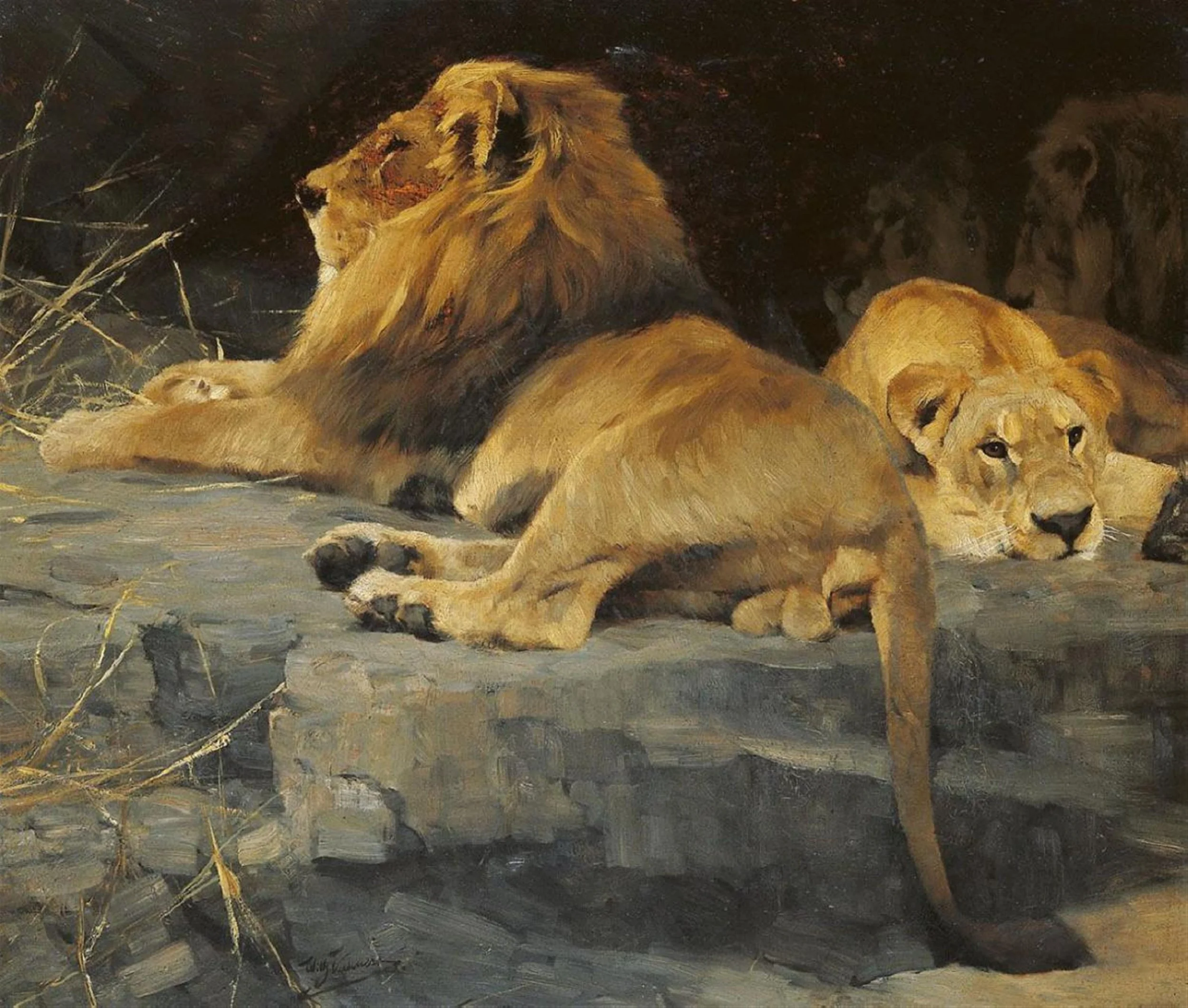

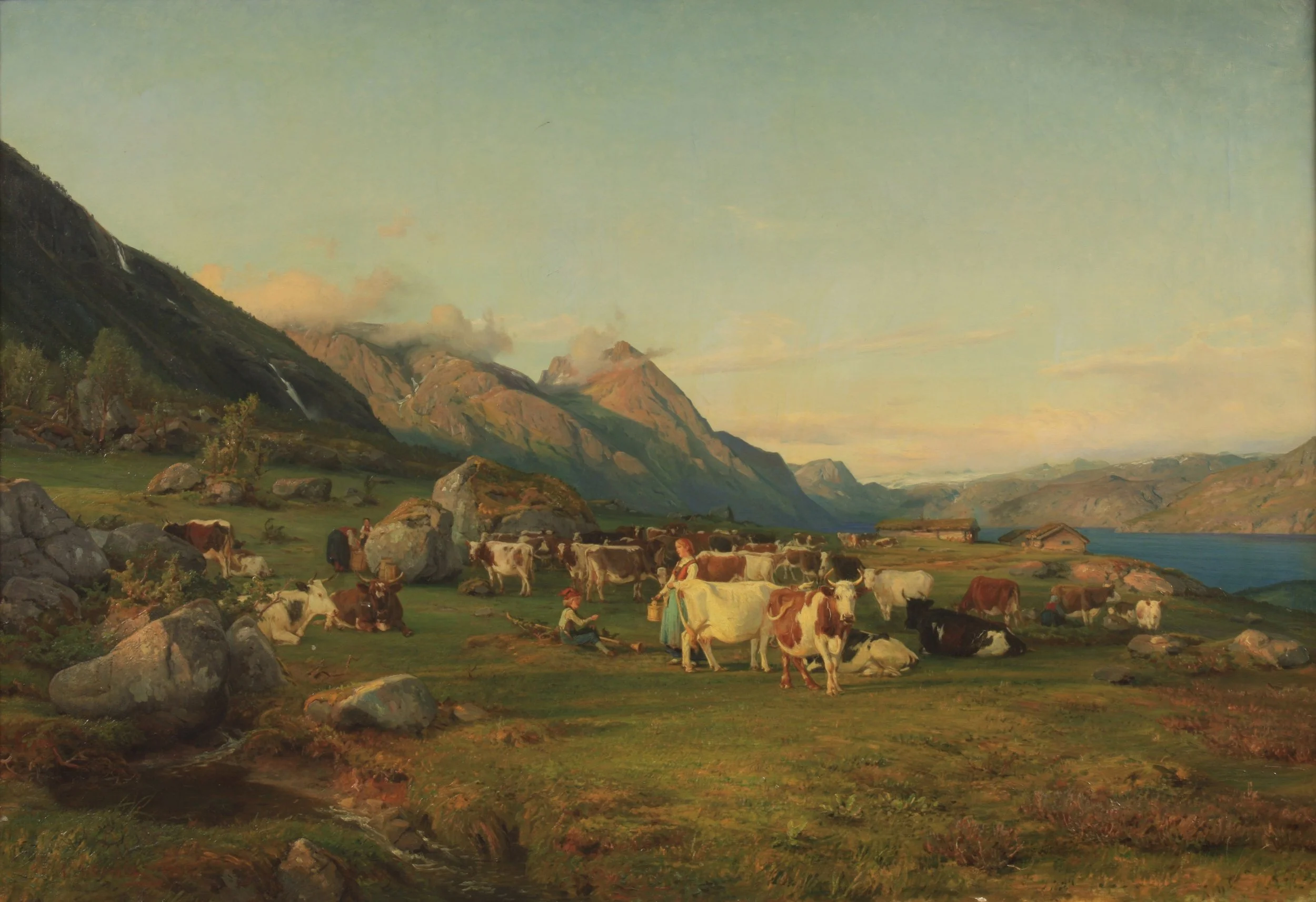
stories and art
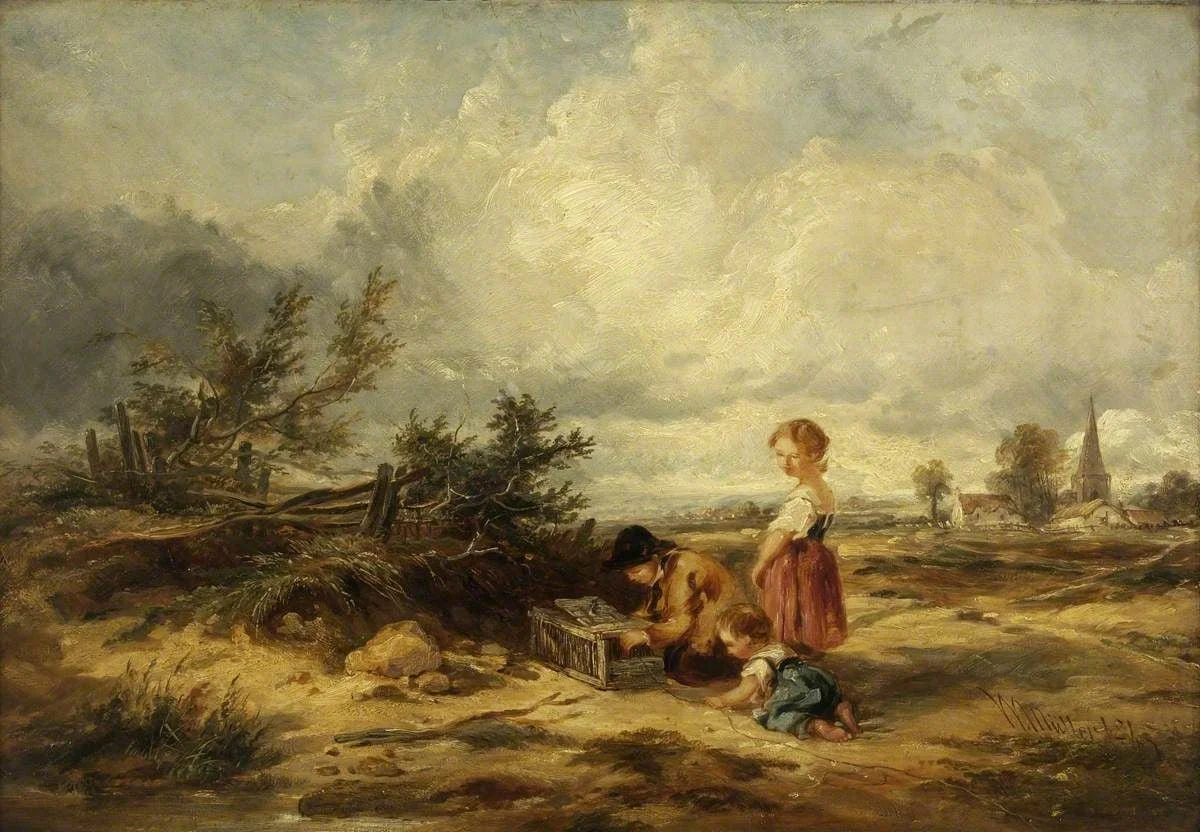
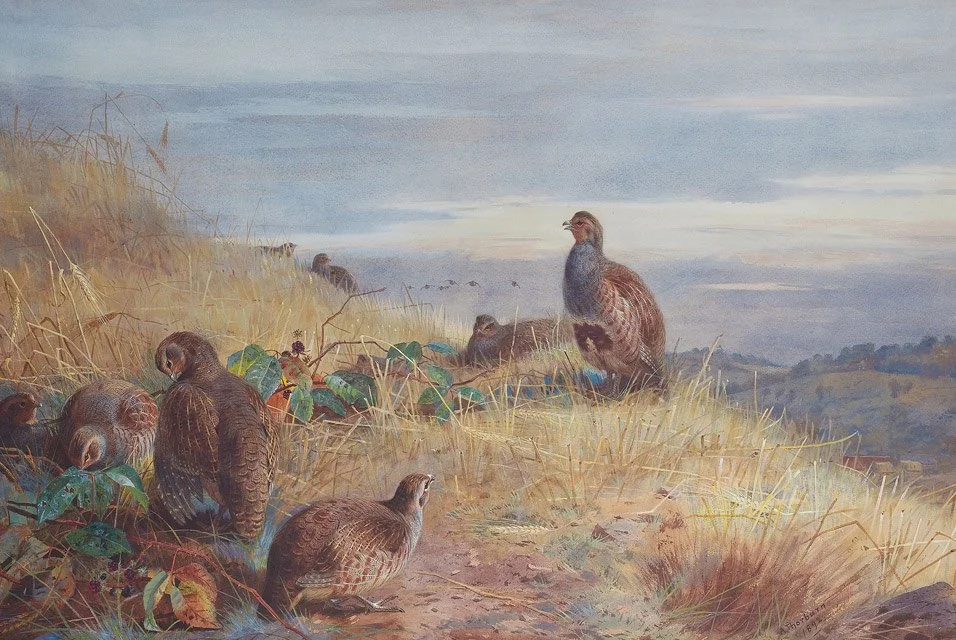


theological articles
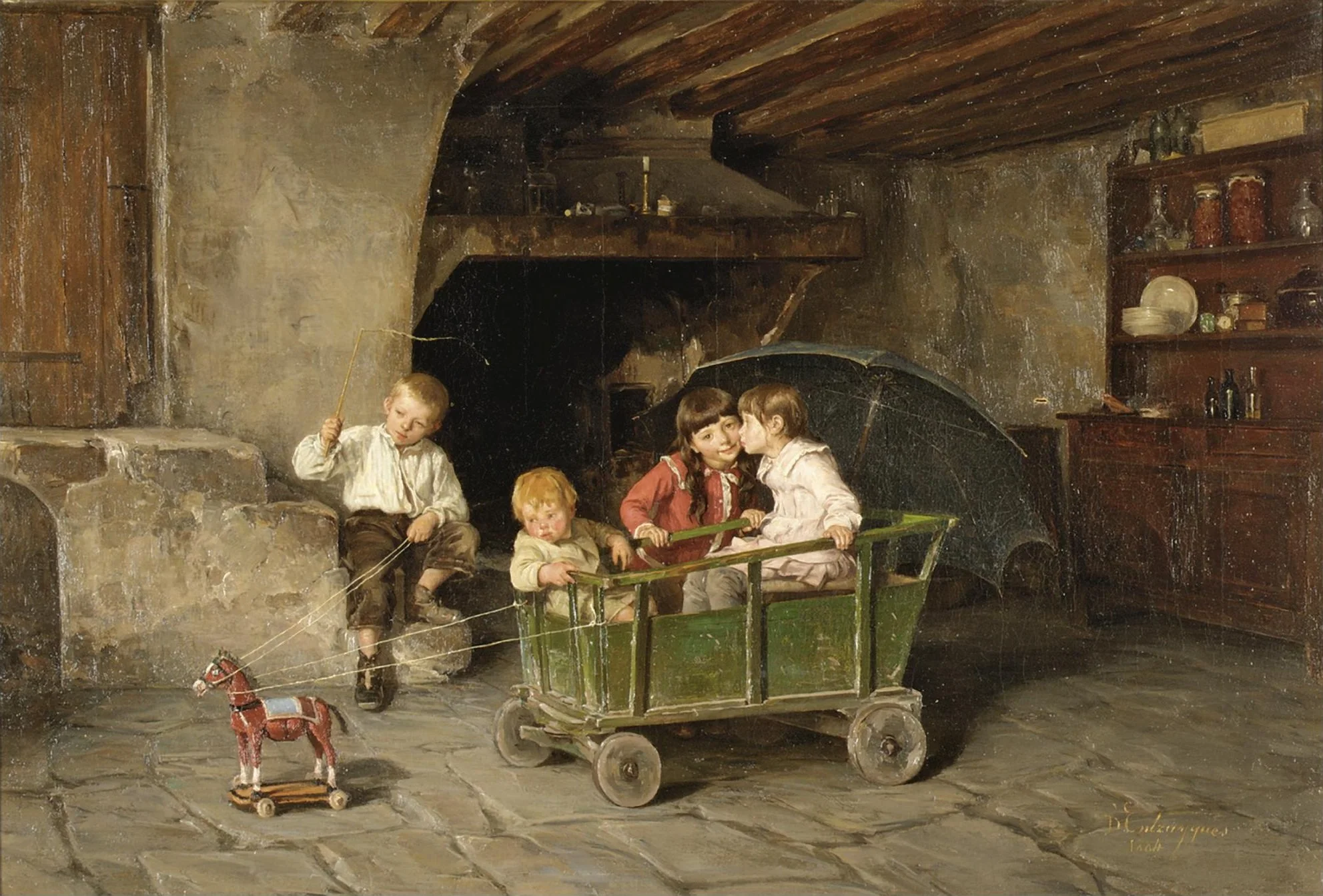
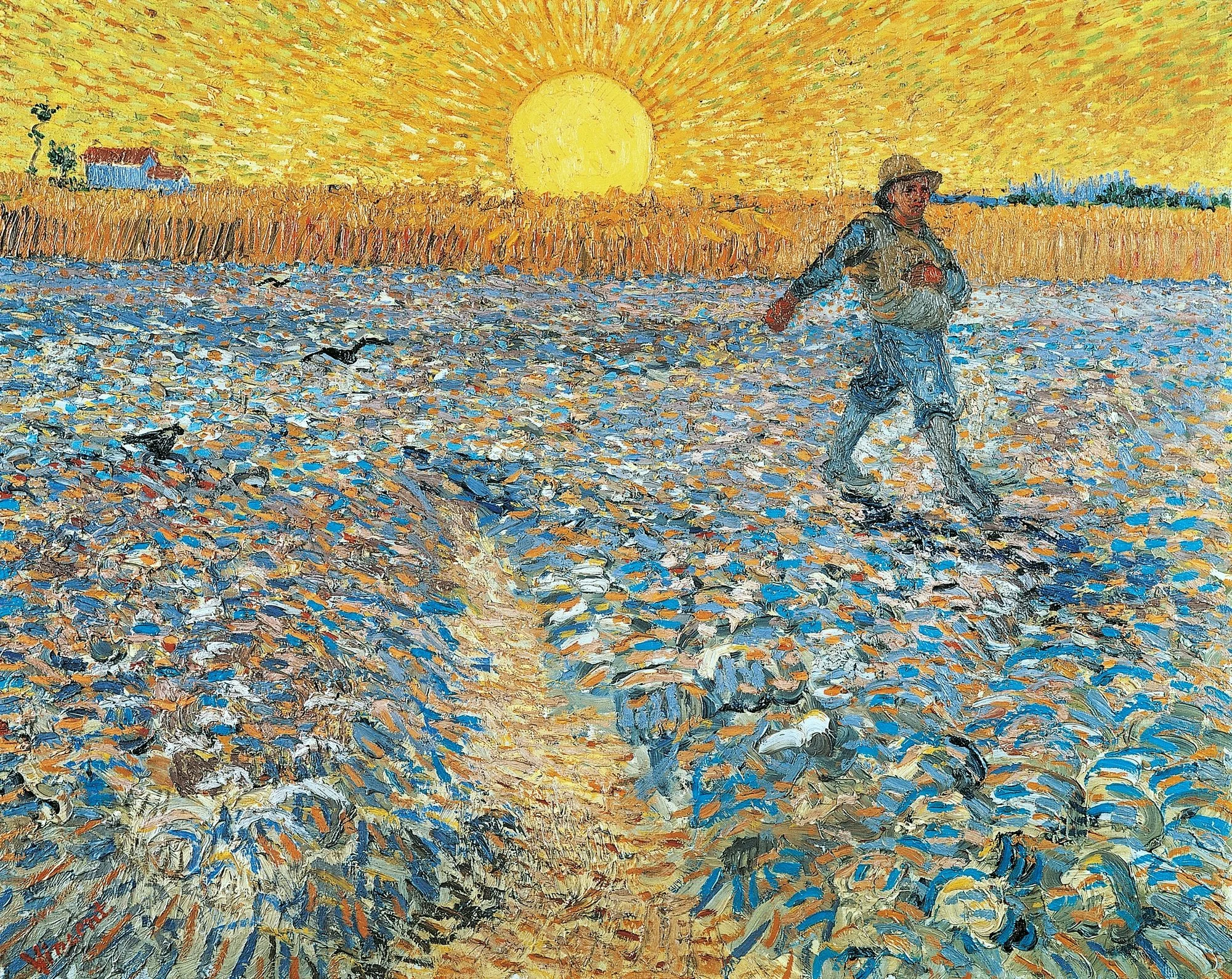
Fantasy is the refusal to grant the world its supposed finality. It is the quiet insistence that what is seen is not all that is, and that the given world (good though it is) is not yet the whole story. Where disenchantment flattens the turned earth of the age (turned by the incarnation) with a slumbering stumble of distraction, fantasy startles the gospel-seeds from the white knuckles of our non-fictioned grip on life with a shout and song about a man who died but didn’t stay that way. And there in that dirt the seeds die to resurrect—and we call it faith. For the Christian, fantasy is no idle escape but an act of trust in the God who forgives sinners and raises the dead: a humble confession that creation is charged with more than meets the eye, and that the one who died and rose again is not finished speaking that story of resurrection. Fantasy, then, is not a denial of reality but a deeper submission to it as it is, groaning for a kingdom not yet seen, yet already breaking in through the one true myth of the gospel. In this way, birdhouse cultivates an evangelical expression in our confession of the plot, the story, of history and redemption.
Here you will find theological and philosophical reflections and book reviews on imagination; imaginative writings and visual art; world-building prompts (and the occasional gift to stir the play along); imaginative exegesis that peers at Scripture with sanctified wonder; and, of course, poetry and short stories. These are our small attempts at loosening the grip of a disillusioned age. Acts of faithful make-believe that, by grace, become acts of seeing. Birdhouse invites you to take up your sword and go after the dragon, all the while remembering that the damsel in distress is you—and Christ has come, is come, and will come again to slay the beast.
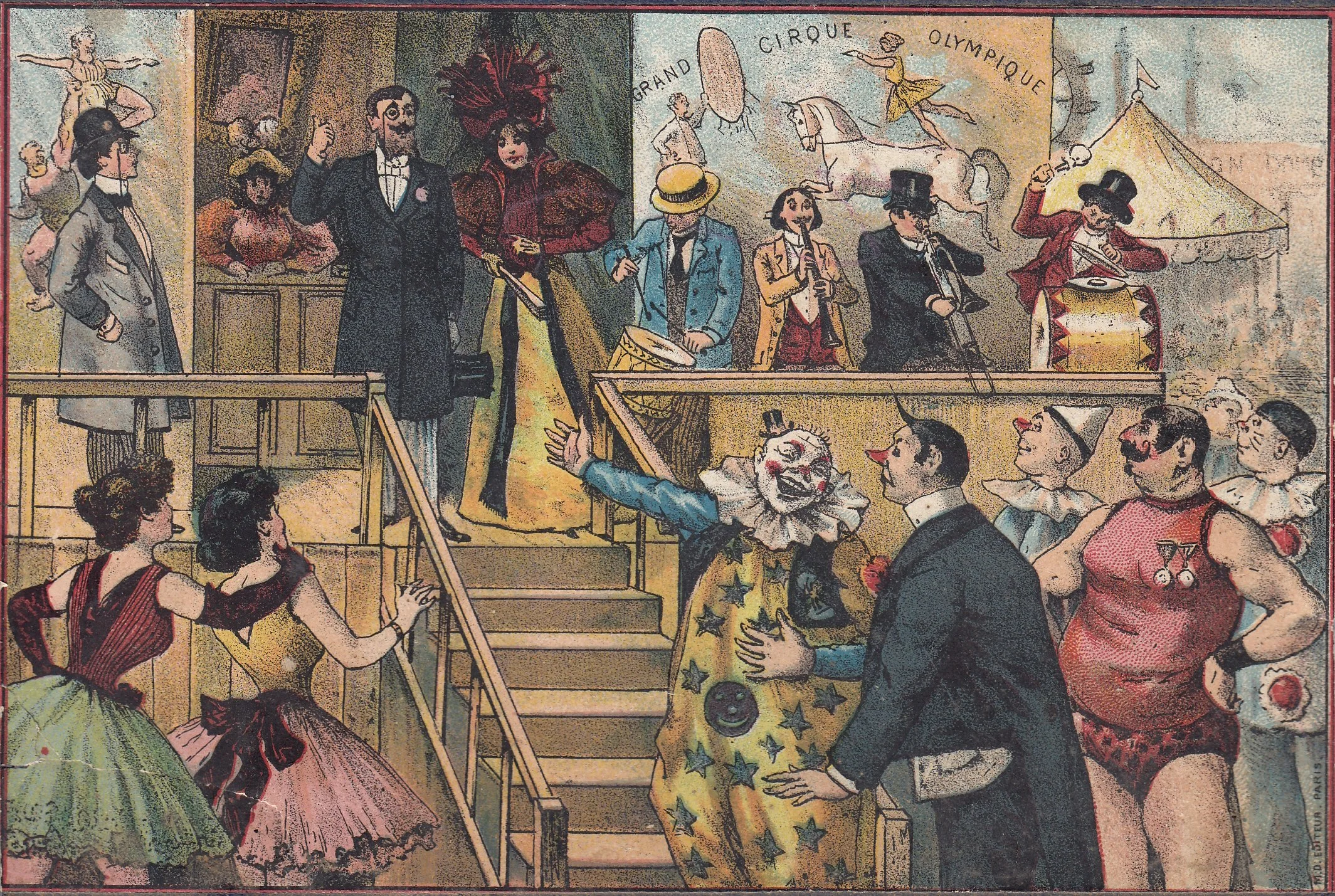
Humor is the holy art of not taking the world at its own overstatement. It is the glad refusal to grant sin, suffering, and self-importance the final word. Where disenchantment grows vine-heavy with its own serious insistence to be wholly and boringly dead to hope, humor lightens the monotony with a honeysuckle haphazardness that refuses to be dimmed to death by the somber patchwork of this guilt-sodded age. And in that refusal, hope throws a party. For the Christian, this hilaritas is not a retreat from the serious things of life, but a birdsong of resurrection hope when the world would have us whisper of its absence: a hope-filled confession that death has lost its sting, that the grave has been made ridiculous, and that no tyranny—whether of despair or dignity—can stand long before the risen Christ. To laugh, then, is to hope, to agree with heaven, to echo the hilarious mirth of a God who has already overturned the world’s most solemn claims, and to join in on the greatest joke ever told: the death of death in the death of Christ. In this way, birdhouse seeks to plant a way of life that is the life of the party.
Here you will find theological and philosophical reflections and book reviews on humor; comedic writings and short films; joke contests (and the occasional prize to sweeten the folly); humorous exegesis that dares to smile within the text; and comic strips and jokes of all sorts. These are our small attempts at planting flowers in the dimming of the self-serious age. Acts of faithful laughter that, by grace, become acts of hope. Birdhouse invites you to let go of the weight of your pharisaical seriousness and be a buffoon for Christ. Who knows, maybe in the process you’ll kill that man-pleasing fear of yours and grow hope in a God who is already pleased with you in Christ.
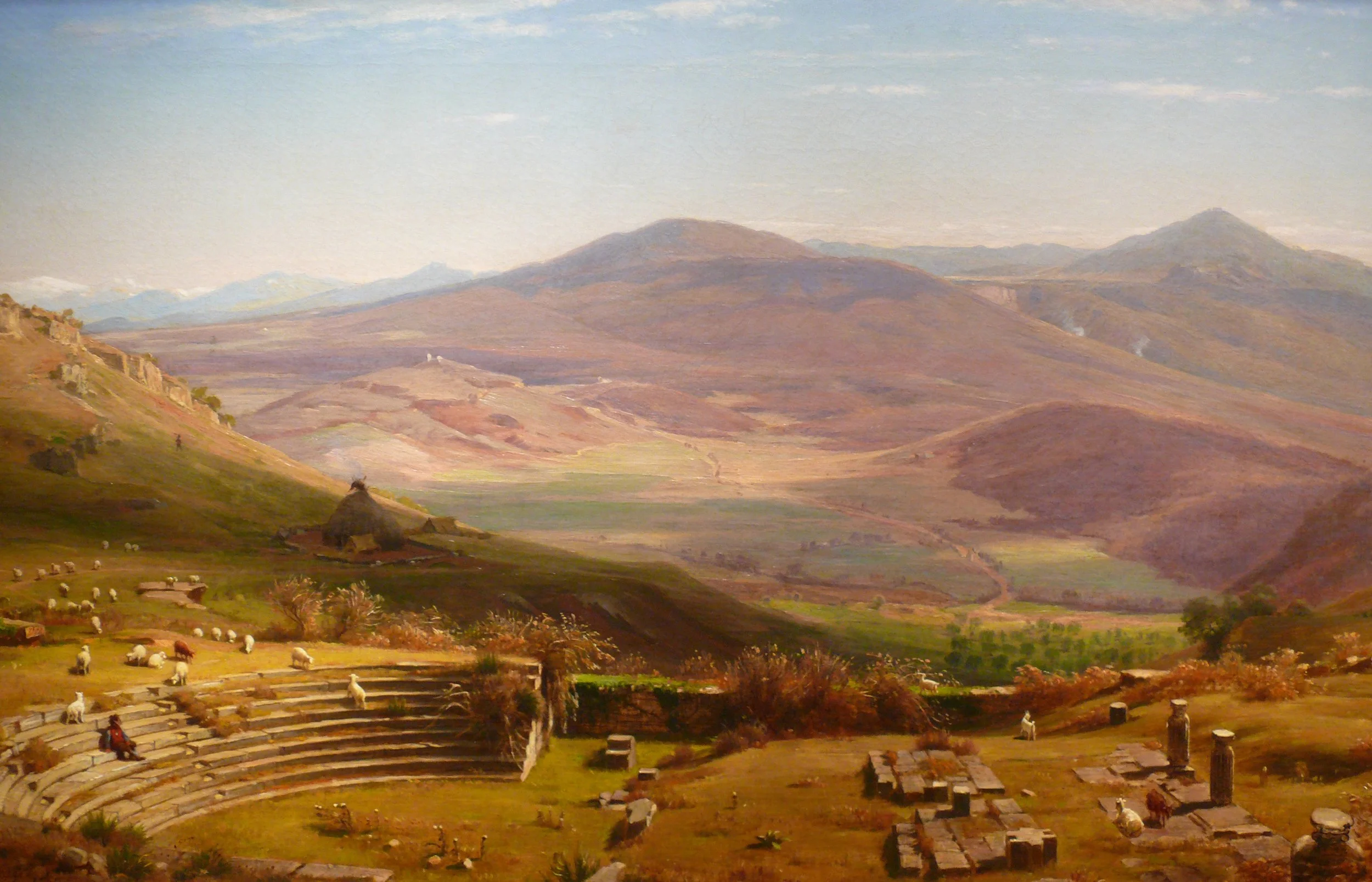

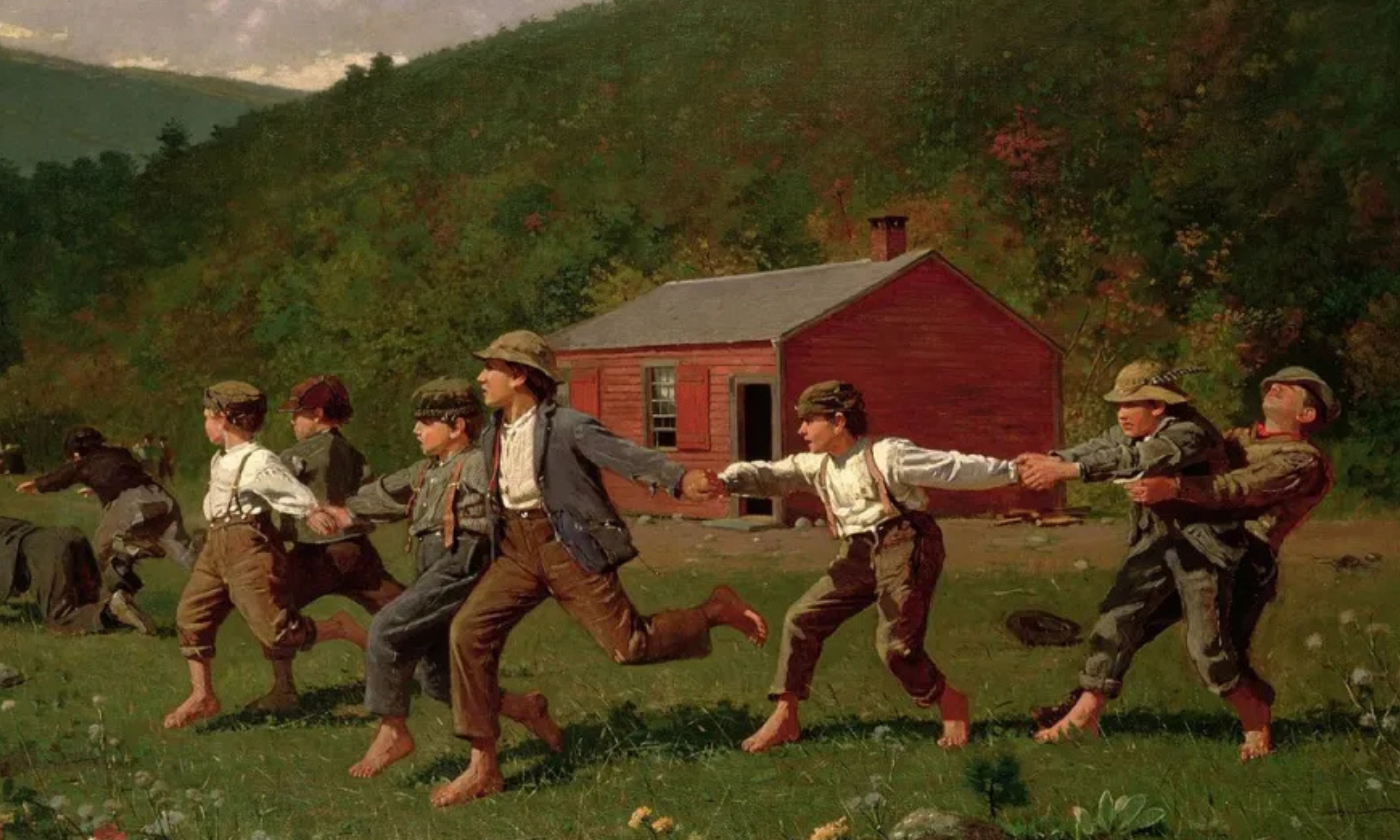
Lark is the make-believing of a child no longer playing for keeps, but simply delighting in the acceptance found in Christ. Where disenchantment would have us dig up the buried treasures of our faith in hopes to see if the seed still lives and is worthy of God’s approval, play leaves the dead-to-self seed of faith and the defiant honeysuckle of hope to grow on the pasture, and it goes on chasing the dog around the playground and inviting its friends to join in. It is wasteful, unproductive, and gloriously alive with the frivolity of a child who knows their Father works all things for their good; a child who only wishes to call those too scared to go outside to come out and play. For the Christian, this is no trivial pastime but an act of love: a glad pouring out of oneself for one’s neighbor, a shared delight that refuses to keep score and mirrors the generosity of the Giver, calling one another into the amusement of a Jesus who played for keeps and won—and then gave that victory freely, joyfully, and for the life and gladness of his friends. Lark, then, is the obedience of love, sprung from the split seed of faith that is watered by a resurrection hope. In this way, birdhouse seeks to reap a catholic (universal) approach to doing theology that calls the Church into the playful love of our Father.
Here you will find theological and philosophical reflections and book reviews on play; playful writings and music; reflective games (and the occasional gift to draw you in); family recipes fit for shared tables; playful exegesis that handles the text with reverent delight; and activity and craft ideas for hands that would rather make than merely manage. These are our small attempts at recovering the lost art of gladness in an age defined by results. Acts of play that, by grace, become acts of love for one another. Birdhouse invites you to come out of your need for results and measures, and pursue holiness for the fun of it. Come outside yourself, love your neighbor, kill your sin and have fun doing it, and come outside and play.